When you dive into the world of 3D printing, you'll quickly realize that not all resins are created equal. Different types of 3D resin cater to various needs, so let's break down a few you should know about.
Standard Resins are your go-to for most projects. They deliver high detail and a smooth finish, perfect for creating models and prototypes. They're user-friendly and give great results, whether you're a seasoned pro or just starting out. Expect a strong, reliable print that looks good.
Eco-Friendly Resins are becoming more popular as folks want to be kinder to the planet. These options are made from renewable materials and usually have lower toxicity. So if you care about the environment, this might be the resin for you. You can achieve solid prints while reducing your carbon footprint.
Flexible Resins are awesome when you need a bit of give in your prints. These are great for creating wearables, phone cases, or anything that should bend without breaking. If you want a model that feels soft and pliable, flexible resin is the way to go. Just remember, they might not be as durable as standard options.
Water-Washable Resins are a game changer for cleanup. Instead of using harsh chemicals, you can wash this resin off with water. It's super convenient and makes the cleanup process way easier, freeing you up to enjoy your printing without the hassle. Plus, they still deliver strong prints!
Best Uses for Different Resins
Resins come in different types, each having its own strengths and best uses. If you’re diving into the world of 3D resin printing, knowing which resin to use for your project can make all the difference.
Standard resin is a go-to for making prototypes, miniatures, and basic models. It cures quickly and delivers a smooth finish. If you’re just getting started or want to whip up some fun designs without breaking the bank, standard resin is your buddy.
If you’re into making some eye-catching pieces that need to stand out, special effect resins are where it’s at. These can include glow-in-the-dark, transparent, or color-changing varieties. They can add that wow factor to your projects and are great for art pieces or collectibles.
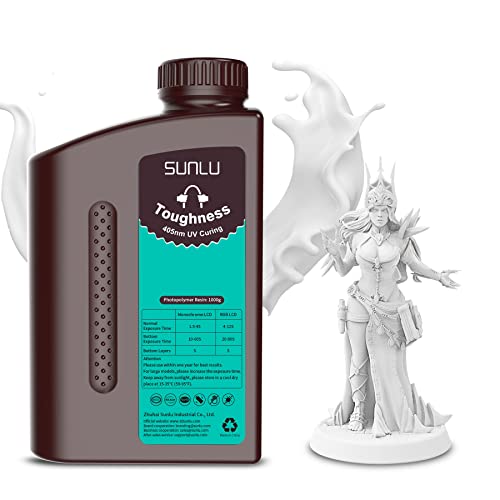
For practical applications, like functional parts or engineering prototypes, flex or tough resins can handle the job. These materials are durable and can withstand stress and strain. If you need something strong for a specific function, this is the route to go.
Got a love for intricate details? Consider using high-resolution resin. This type captures fine details beautifully and is ideal for jewelry making or detailed models. It ensures your prints come out exactly as you envision, with crisp edges and stunning details.
How to Choose the Right Resin
Choosing the right resin can feel overwhelming at first, but it’s easier than you think! Start by considering what you want to achieve with your prints. Do you need something super durable for functional parts? Or are you after a flexible resin for more intricate designs? Understanding your project goals is key.
Next up, check out the different resin types available. There are standard resins that work great for most prints. If you’re after a smoother finish or a specific color, go for specialty resins. Some are even designed to handle heat or UV light better than others. Look for features like quick curing times and ease of post-processing, too—they can save you a lot of time.
Don’t forget to think about your 3D printer compatibility! Some resins work best with specific printers, so always double-check before making a purchase. This bit of homework pays off and ensures a smoother printing experience.
Lastly, consider your budget. While it’s tempting to go for the cheapest option, investing in good-quality resin can make a huge difference in the final product. Look for trusted brands with good reviews, as they often provide reliable results. Happy printing!
Tips for Working with 3D Resin
Working with 3D resin can be a fun and rewarding experience, but it also requires a bit of know-how to get the best results. First off, always wear gloves and a mask. Resin can be messy and some types give off fumes that aren’t great for you. Protect yourself while you’re working!
Next, make sure you’re in a well-ventilated area. A little airflow goes a long way in keeping the fumes at bay. If you’re indoors, cracking a window or using a fan can really help. No one wants to feel lightheaded while printing!
Before pouring the resin, shake the bottle well. Settling can happen, and you want that mix to be as even as possible. Also, consider using a resin that’s specifically designed for your printer. Each type of resin has its quirks, so matching them up can save you a lot of headaches.
Don't rush the curing process! If you're using UV light, follow the recommended times. Too short and your print won't cure properly, too long and you might get strange, hardened results. Patience is key here.
Finally, clean up any spills right away. Resin can be a pain to remove once it cures, so keep some paper towels or a shop rag handy. And don’t forget to give your tools a good clean after you’re done. A little TLC goes a long way in keeping your gear in top shape!